How Weather Exposure Impacts Residential Stamped Concrete Surfaces
Homeowners seeking residential stamped concrete repair can rely on local contractors to address weather-related damage and restore surface durability effectively.
Understanding how weather exposure impacts residential stamped concrete surfaces is essential for property owners who want to maintain the beauty and durability of their outdoor spaces. In areas with varying temperatures, moisture levels, and seasonal changes, stamped concrete can experience wear, cracking, and surface deterioration over time. Recognizing these effects helps homeowners make informed decisions about repairs, sealing, and protective measures to preserve their investment. Local contractors specializing in stamped concrete repair are equipped to assess how weather conditions may be influencing a specific surface and recommend practical solutions to address any issues before they worsen.
For property owners in the community, exploring this topic can lead to better long-term care of stamped concrete features, ensuring they remain attractive and functional despite weather challenges. Whether dealing with surface fading, surface cracks, or other forms of weather-related damage, experienced service providers can help restore and reinforce stamped concrete surfaces. Keeping informed about how weather exposure impacts these surfaces encourages proactive maintenance and timely repairs, ultimately extending the lifespan of outdoor concrete features and enhancing curb appeal.
- Residential stamped concrete repair - homeowners noticing surface cracks or color fading due to weather exposure can rely on local contractors to assess and restore their stamped concrete surfaces.
- Stamped concrete surface restoration - when surface pitting or spalling occurs from freeze-thaw cycles or moisture infiltration, local service providers can perform necessary repairs.
- Concrete sealing and protection - residents seeking to prevent weather-related damage often turn to local pros for sealing services that help shield stamped concrete from moisture and temperature fluctuations.
- Weather damage assessment for stamped concrete - property owners concerned about surface deterioration caused by sun, rain, or snow can have local experts evaluate the extent of weather impact and recommend repairs.
- Crack repair and surface resurfacing - those dealing with surface cracks or unevenness caused by weather exposure can connect with local contractors skilled in restoring the integrity and appearance of stamped concrete.
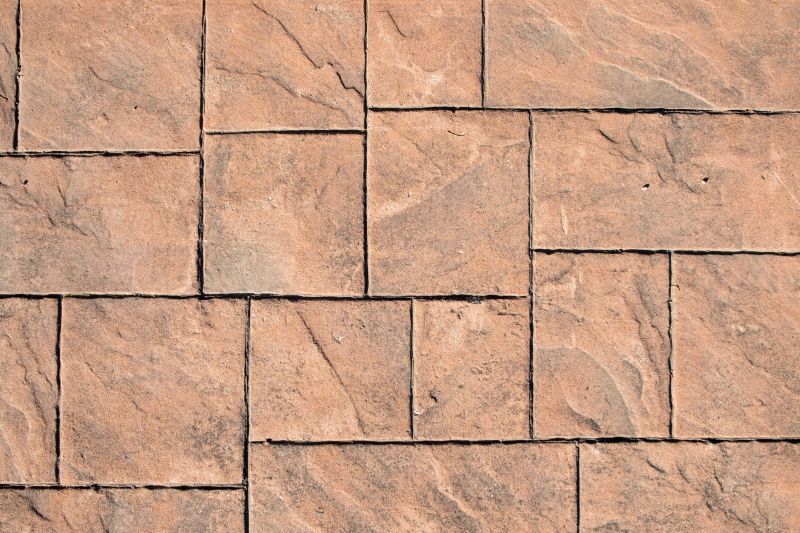
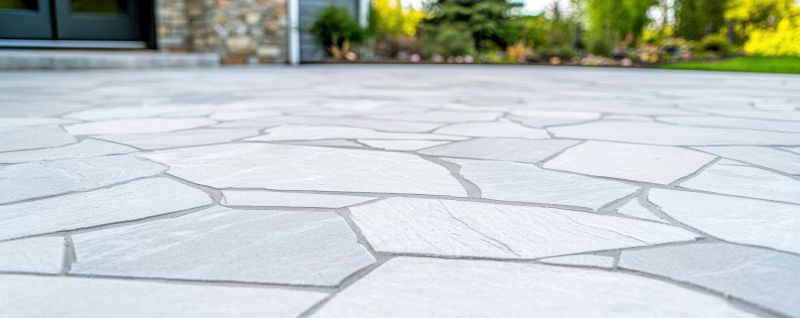
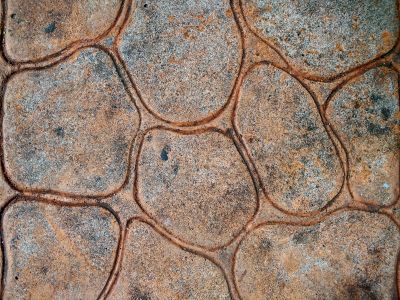
Understanding how weather exposure impacts residential stamped concrete surfaces is essential for homeowners considering decorative concrete for outdoor spaces. When people search for this topic, they often want to know how elements like rain, snow, heat, and freezing temperatures can affect the appearance and durability of stamped concrete. This concern is common among homeowners planning new installations or those with existing stamped concrete who notice signs of wear or damage. The goal is to learn how weather conditions might influence their property’s aesthetic and structural integrity, and to find solutions that help maintain or restore their concrete surfaces over time.
The issues related to weather exposure typically involve surface deterioration, color fading, and structural cracking. Rain and moisture can lead to surface erosion or staining, while freeze-thaw cycles may cause the concrete to crack or spall. Excessive heat can cause expansion, which might lead to surface delamination or color inconsistencies. Homeowners often seek guidance on how to protect stamped concrete from these weather-related problems or how to repair damage caused by prolonged exposure. Many plans involve sealing surfaces, applying protective coatings, or scheduling repairs to address cracks and surface wear before they worsen, ensuring the longevity and visual appeal of the stamped concrete.
Properties that commonly feature residential stamped concrete surfaces include driveways, patios, walkways, and pool decks. These outdoor areas are directly exposed to the elements, making weather impact a significant concern. Different climates and local weather patterns influence how severe weather exposure can be, so homeowners in wetter or colder regions may experience more frequent issues like cracking or staining. Additionally, properties with older concrete surfaces might be more susceptible to weather-related damage due to aging or previous wear. Understanding how weather impacts these specific property features helps homeowners plan appropriate maintenance, and it highlights the importance of working with local service providers who understand regional weather challenges.
Local residential stamped concrete repair contractors play a crucial role in addressing weather-related issues. They can evaluate how weather exposure has affected a specific property, recommend suitable protective measures, and perform repairs to restore the surface’s appearance and durability. Whether it involves sealing surfaces to prevent moisture penetration, repairing cracks caused by freeze-thaw cycles, or resurfacing worn areas, these professionals bring the experience needed to handle weather-related damage. Connecting with local contractors ensures that homeowners receive tailored solutions that account for regional weather patterns, helping to extend the life of their stamped concrete surfaces and maintain their property's curb appeal over time.
Patio and Walkway Installations - Local contractors skilled in stamped concrete installation can help address weather-related wear and tear on patios and walkways, ensuring durability and aesthetic appeal.
Outdoor Living Space Design - Professionals experienced in designing outdoor living areas understand how weather exposure impacts surface choices and can recommend resilient stamped concrete solutions.
Concrete Surface Restoration - Service providers specializing in stamped concrete repair can evaluate weather-related damage and apply appropriate restoration techniques to extend surface lifespan.
Driveway Resurfacing Projects - Local pros can handle driveway resurfacing with weather-resistant stamped concrete, helping to prevent cracking and surface deterioration caused by weather exposure.
Pool Deck Finishing - Experts in stamped concrete pool decks can recommend weather-tolerant finishes that resist surface damage from sun, rain, and temperature fluctuations.
Landscape Integration Services - Contractors knowledgeable in integrating stamped concrete with landscaping can advise on weather-proofing strategies to maintain surface integrity over time.
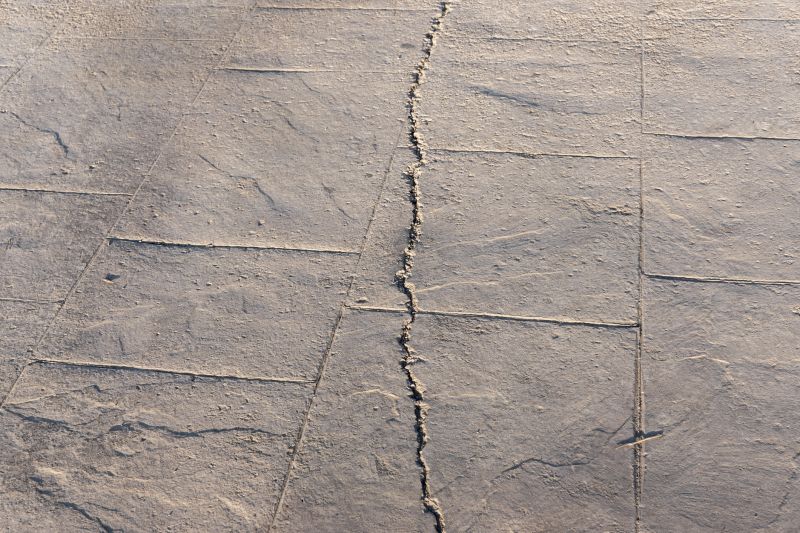
When evaluating contractors for residential stamped concrete repair, it is important to consider their experience with similar projects, especially those involving weather exposure. A contractor with a proven track record handling stamped concrete in environments with varying weather conditions can better anticipate potential issues such as cracking, fading, or surface deterioration. Homeowners should inquire about the types of projects the contractor has completed and whether they have worked on surfaces exposed to the same climate factors affecting their property. This experience can provide confidence that the service provider understands how weather impacts the durability and appearance of stamped concrete surfaces and can recommend appropriate repair strategies.
Clear communication about project expectations is essential when comparing local service providers. Homeowners should seek contractors who can provide detailed explanations of their repair processes, including how weather exposure might influence the work and the longevity of the results. Understanding what to expect during and after repairs, such as surface preparation, sealing, or protective measures, helps ensure that both parties are aligned on the scope and outcomes of the project. Well-informed contractors are more likely to set realistic expectations and address any weather-related concerns that could affect the quality of the repair work.
Reputable references and positive feedback from previous clients can offer valuable insights into a contractor’s ability to manage weather-related challenges in stamped concrete repair. Homeowners are encouraged to ask for references that highlight the contractor’s experience with weather exposure and how they handled any issues that arose. Good communication skills are also key, as they facilitate a clear understanding of project needs and potential weather-related risks. Choosing a service provider with a history of successful projects in similar conditions, along with transparent communication, can help ensure that the repair work is completed effectively and that the stamped concrete surface remains resilient against weather impacts over time.
Property owners often search for how weather exposure impacts residential stamped concrete surfaces when they are planning practical projects around their homes and businesses. Local pros provide Residential Stamped Concrete Repair services for everyday jobs and straightforward project options.
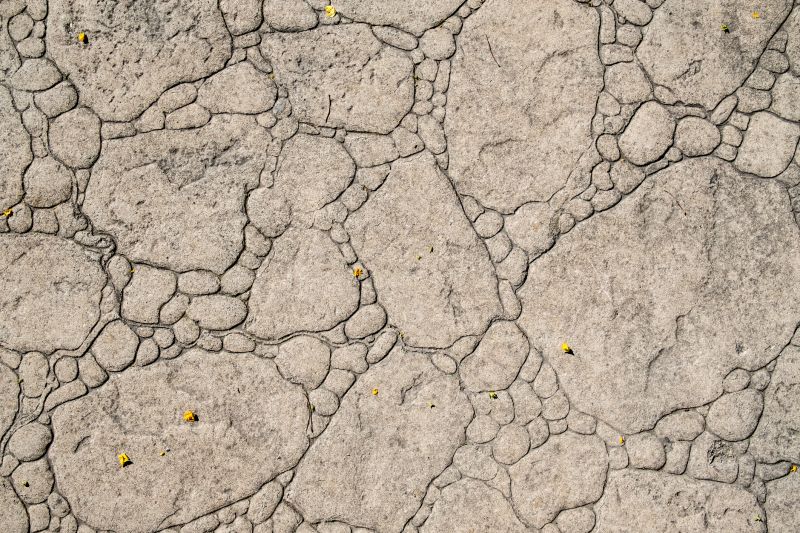
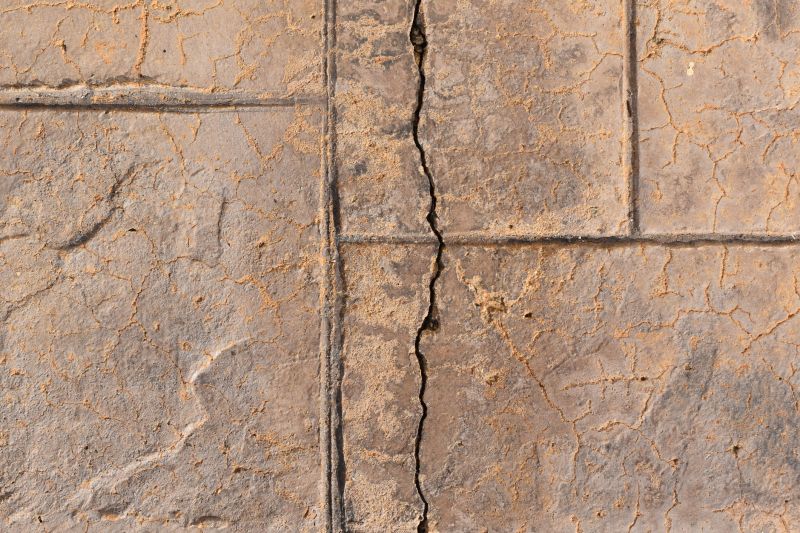
Weather exposure can significantly influence the durability and appearance of residential stamped concrete surfaces. In areas with frequent temperature fluctuations, the expansion and contraction of concrete can lead to cracking or surface irregularities over time. Additionally, exposure to moisture from rain or snow can cause staining, erosion, or even damage to the decorative surface if not properly sealed or maintained. Property owners who notice fading, cracking, or surface deterioration in their stamped concrete might seek out local contractors experienced in residential stamped concrete repair to restore the surface’s original look and integrity.
Understanding how weather impacts stamped concrete can help homeowners decide when repairs are needed to prevent further damage. For instance, areas prone to heavy rainfall or freeze-thaw cycles may experience faster wear and tear. Local service providers who specialize in stamped concrete repair can assess the extent of weather-related damage and recommend appropriate solutions. This ensures that the decorative surface remains functional and visually appealing, even after exposure to challenging weather conditions.
How does weather exposure affect the durability of residential stamped concrete surfaces? Weather exposure can cause residential stamped concrete to crack, chip, or wear down over time, especially when subjected to freeze-thaw cycles, heavy rain, or intense sunlight. Local contractors experienced in stamped concrete repair can assess and address weather-related damage to restore surface integrity.
Can weather conditions lead to discoloration or fading of stamped concrete? Yes, prolonged exposure to sun, rain, and temperature fluctuations can cause discoloration or fading of stamped concrete surfaces. Skilled repair service providers can help restore color consistency and protect against future weather-related fading.
What types of weather-related damage are common on stamped concrete surfaces? Common issues include surface spalling, cracking, and uneven settling caused by weather changes. Local pros can evaluate weather impact and perform repairs to prevent further deterioration.
How can weather exposure influence the need for stamped concrete repairs? Weather exposure can accelerate wear and damage, increasing the likelihood of repairs such as surface resurfacing or crack filling. Experienced contractors can recommend appropriate solutions based on weather-related challenges.
Are there preventive measures to reduce weather damage on stamped concrete surfaces? Yes, sealing stamped concrete surfaces and applying protective coatings can help minimize weather-related damage. Local service providers can advise on suitable maintenance practices to extend the lifespan of stamped concrete.
Assessing weather-related damage - property owners can evaluate how weather exposure has caused cracking or surface wear on stamped concrete surfaces and seek repair services from local contractors.
Choosing weather-resistant finishes - selecting sealers and coatings that resist moisture and temperature fluctuations can help protect stamped concrete from weather-related deterioration, with advice from local pros.
Planning for seasonal changes - property owners can schedule repairs or protective treatments before harsh weather seasons to minimize damage and extend the lifespan of stamped concrete surfaces.
Implementing proper drainage solutions - ensuring adequate drainage around stamped concrete areas can prevent water pooling and reduce weather-related erosion, with guidance from local service providers.
If you are thinking about how weather exposure impacts residential stamped concrete surfaces for a property, this guide is meant to help you understand this topic, the typical project types, and how different options might fit your plans.
When you are ready, you can use the quote form on this page to share a few details about your project. From there, local pros can review the basics and follow up with options that match what you have in mind.